Cute Dinosaur Watercolor Clipart for Branding and Design
If you have been browsing design marketplaces lately, you have likely noticed a surge in playful, hand-painted illustration sets. Among them, cute dinosaur watercolor clipart stands out as a surprisingly versatile asset. At first glance, it looks like pure whimsy—soft pastel scales, tiny cartoon eyes, and splotchy paint textures that feel fresh off an artist's brush. But dig a little deeper, and you will find this style carries real weight across branding, publishing, and marketing projects. It is not just for children's birthday invites anymore.
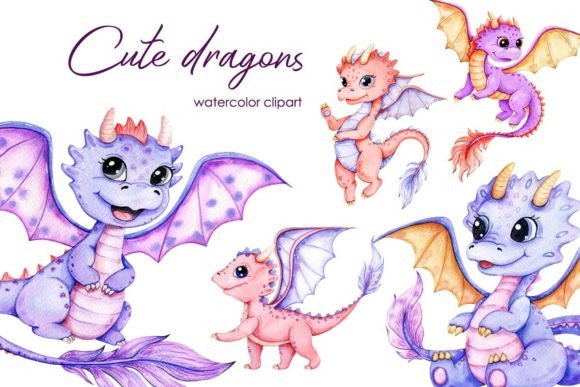
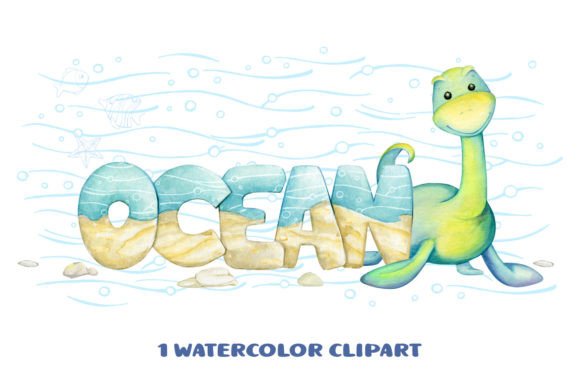
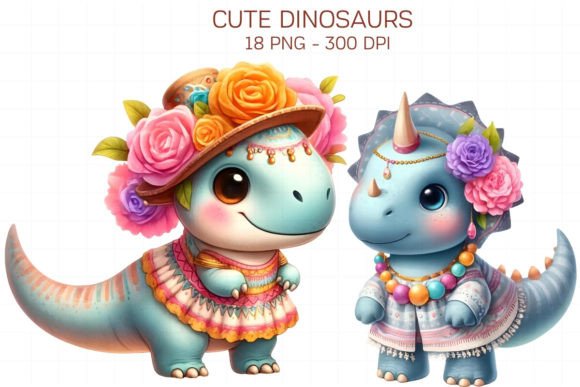
What makes cute dinosaur watercolor clipart distinct is its blend of prehistoric subject matter with gentle, approachable aesthetics. The dinosaurs are typically depicted in rounded, chibi-like proportions. The watercolor effect adds organic edges, subtle color bleeding, and a tactile quality that vector flat art often lacks. You get the charm of a creature that should be intimidating—a T. rex, a triceratops, a stegosaurus—rendered soft, friendly, and completely non-threatening. The palette usually leans toward muted pastels: sage greens, dusty pinks, soft lavender, and warm ochres. This combination creates an emotional tone that is nostalgic, warm, and inviting.
Why Watercolor Clipart Works Across Creative Projects
Designers and content creators often struggle to find imagery that feels both polished and personal. Stock photography can feel sterile; overly detailed illustrations compete with text. Cute dinosaur watercolor clipart solves this by offering a middle ground. The watercolor texture gives each element a handmade feel, even when used digitally. That texture does more than add visual interest—it introduces a subtle organic quality that softens rigid layouts.
For logo design, especially for brands targeting young families, eco-conscious products, or creative education services, these clipart elements provide a ready-made mascot or accent. A small dinosaur peeking out from behind the brand name signals friendliness without needing a custom illustration budget. In packaging design, think boutique snack boxes, natural toy brands, or children's wellness products. A cluster of watercolor dinosaurs on a label instantly communicates gentle, non-toxic, playful values.
Social media graphics benefit enormously from this style as well. The clipart is already transparent-background ready in most sets, meaning you can drop a dinosaur next to a quote, a sale announcement, or a seasonal greeting without hours of masking. The watercolor edges contrast beautifully with clean sans serif typography, creating visual hierarchy that draws the eye. Marketers running campaigns around early childhood, parenting, or educational content will find engagement rates lift when visuals feel less corporate and more crafted.
In editorial design, such as blog posts, ebooks, or print magazines focused on family, lifestyle, or creativity, these illustrations break up text blocks without overwhelming the page. A small dinosaur in the corner of a pull quote or as a chapter header icon adds personality. The same applies to web design—think hero sections on kid-focused apps, playful landing pages, or about pages that want to feel human. The watercolor aesthetic pairs naturally with soft gradients, rounded UI elements, and handwritten font choices.
How Clipart Influences Readability and Brand Perception
It might seem unusual to discuss readability in the context of clipart, but the relationship is direct. Any visual element placed near text affects how easily that text is processed and remembered. The soft edges and low contrast of cute dinosaur watercolor clipart reduce visual competition with headlines and body copy. Unlike high-contrast vector icons that can pull focus, these watercolor elements sit comfortably in the background or as subtle accents. This allows your typography—whether a serif font for authority or a handwritten font for warmth—to remain legible and dominant.
From a brand identity standpoint, consistency matters. If your brand voice is playful, nurturing, or imaginative, clipart that matches that tone reinforces the message at every touchpoint. A single dinosaur illustration used across a website, social media, packaging, and print materials builds recognition faster than a rotating cast of unrelated images. The visual personality of watercolor—imperfect, flowing, gentle—communicates authenticity. In an era where consumers are skeptical of overly polished corporate imagery, that perceived handmade quality builds trust.
For audience engagement, especially on platforms like Instagram or Pinterest, the emotional pull of cute animal imagery is well documented. Dinosaurs carry a universal nostalgia factor; most adults remember being fascinated by them as children. When you pair that nostalgic trigger with the softness of watercolor, you create an immediate emotional hook. Users stop scrolling, click through, and remember your content longer. This is not fluff—it is a legitimate design strategy for increasing dwell time and brand recall.
Practical Guidance for Choosing the Right Set
Not all cute dinosaur watercolor clipart is created equal. Before purchasing or downloading a set, consider a few factors that directly affect your project's outcome. First, evaluate the included styles. Does the set offer multiple poses, species, and expressions? A single dinosaur is limiting; a set with ten variations gives you flexibility across different layouts and contexts. Look for extras like eggs, footprints, leaves, or speech bubbles. These small assets expand your design options without requiring additional sourcing.
Readability and scale considerations matter too. Watercolor clipart often looks best at medium to large sizes where the brush texture is visible. If you plan to use these elements at very small sizes—such as app icons, favicons, or tiny badges—test the set first. Some watercolor edges become muddy when scaled down. High-resolution files (300 DPI or larger) give you more freedom. Also check whether the files are PNG with transparent backgrounds, SVG for web use, or layered PSD files. This determines how easily you can integrate them into your workflow.
Font pairing is another practical decision. Cute dinosaur watercolor clipart pairs naturally with a display font that is rounded and friendly, such as a bubble letter style or a soft sans serif. Avoid overly ornate script fonts, which can compete with the organic texture. A clean sans serif font like a rounded geometric or a humanist sans creates contrast while maintaining harmony. For headings, consider a premium font with playful weight variation. For body text, a simple serif or sans serif keeps readability high. If your brand uses a script font, reserve it for short headlines and let the clipart carry the visual personality.
Commercial licensing is critical for anyone selling products or running paid campaigns. Most clipart sets fall into two categories: personal use and commercial use. Personal use allows you to use the art in your own non-sale projects—scrapbooks, personal gifts, classroom materials. Commercial licensing typically permits use in merchandise, ebooks, social media ads, website assets, and packaging. However, restrictions vary. Some licenses cap the number of products you can sell, require credit attribution, or prohibit using the clipart as a standalone logo trademark. Read the license carefully. If you are a small business owner selling on Etsy, Amazon, or your own store, choose a set with an explicit commercial license that covers your use case.
For designers and content creators working with clients, verify that the license transfers to the client's project. Some marketplaces offer extended licenses for high-volume or corporate use. The extra cost is usually minimal compared with the risk of copyright violation. If you are building a brand identity around these dinosaurs, you may eventually want custom variations. Many clipart artists offer commissions or modified versions for a fee—worth exploring if your project has long-term scope.
Real-World Examples and Practical Workflows
Imagine you are designing a subscription box for organic children's snacks. The brand values are natural, playful, and educational. You choose a set of cute dinosaur watercolor clipart featuring a triceratops, a brachiosaurus, and a pterodactyl. On the box, you place the triceratops near the product name, using a rounded sans serif for the headline. The watercolor texture echoes the organic ingredients inside. Inside the box, a small card explains each dinosaur's real-life diet, tying the snack to a learning moment. The clipart appears again on the brand's Instagram, reinforcing visual consistency. Parents recognize the dinosaur across touchpoints, and the brand builds a memorable identity.
Another scenario: a parenting blog wants to increase newsletter sign-ups. The blogger uses a single dinosaur clipart as the email's header image, paired with a short, punchy subject line. The watercolor style feels personal, not templated. Open rates improve, and subscribers mention the cute imagery in replies. The same dinosaur becomes a recurring mascot in weekly emails, creating a sense of continuity and personality that a stock photo could never achieve.
For a graphic designer building a client's website for an early learning app, the workflow might look like this: download the clipart set, open the transparent PNGs, and import them directly into a web design tool. Use one large dinosaur as the hero image background element, scaled with low opacity. Place smaller dinosaurs as bullet point icons in feature sections. The watercolor texture adds visual depth without increasing page load time, especially when optimized as WebP files. The design assets remain cohesive because they all share the same artistic style.
Making the Most of Design Assets
One often overlooked advantage of cute dinosaur watercolor clipart is its compatibility with other design assets. These images layer well over textured paper backgrounds, boho patterns, or simple geometric shapes. If you use a modern typography approach—clean lines, generous white space, bold headers—the organic clipart provides the necessary softness. Conversely, if your layout is more eclectic, the dinosaurs can anchor the design with a consistent visual element.
When testing font pairings, try a combination of a playful display font for the main headline and a neutral sans serif for body copy. The clipart bridges the two, linking the playful headline to the readable text. Avoid pairing the clipart with another highly textured element, like a distressed font or heavy grunge texture. The result can feel cluttered. Instead, let the watercolor be the primary texture and keep your typography clean.
Finally, consider long-term use. A set of cute dinosaur watercolor clipart that you purchase today can serve across dozens of projects—seasonal promotions, product launches, social media campaigns, even event signage. The cost per use becomes negligible. For entrepreneurs and marketers building a brand from scratch, investing in versatile, high-quality clipart is a practical alternative to commissioning custom illustration every quarter. It gives you a consistent visual language without locking you into a rigid style.
Cute dinosaur watercolor clipart is not a passing trend. It is a genuinely useful design resource that balances emotional appeal with practical versatility. Whether you are designing a logo, a packaging line, a website, or a social media campaign, this style offers a warm, professional, and memorable visual foundation. The key is choosing the right set, pairing it thoughtfully with typography, and understanding how it fits your brand's unique voice and audience. When done well, a tiny watercolor dinosaur can become the most recognizable element of your entire brand identity.