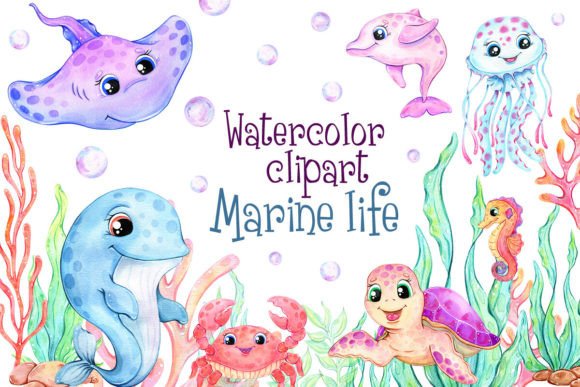
Watercolor Clipart Sea Animals: Creative Design Assets
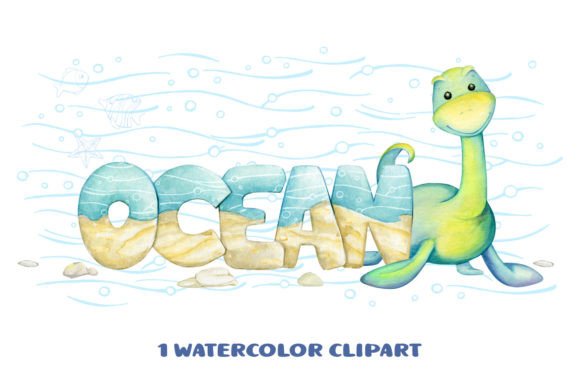
If you have ever tried to add a handmade, organic touch to a digital project, you quickly realize that stock photos and rigid vector icons often fall flat. That is where watercolor clipart sea animals come in. This collection of hand-painted marine life—think sea turtles, jellyfish, whales, starfish, coral, and schools of tropical fish—brings a soft, artistic quality that feels both polished and personal. The textures are never perfect, and that is exactly the point. The slight bleeding of pigment, the subtle granulation of water on paper, and the gentle opacity variations give each creature a life and warmth that flat illustration simply cannot match.
Whether you are a graphic designer building a brand for a coastal cafe, a blogger creating ocean-themed content, or a small business owner designing packaging for natural skincare, these watercolor assets offer a versatile foundation. They work as standalone focal points, subtle background elements, or repeating patterns. The style leans whimsical but not childish—sophisticated enough for fine art prints yet approachable for nursery decor. The color palette typically ranges from soft aquamarines and deep navy to earthy coral and sandy beige, making them easy to integrate into both vibrant and muted design schemes.
The Visual Personality of Watercolor Sea Animals
What makes this clipart collection stand out is its inherent texture and authenticity. Unlike cookie-cutter vector illustrations, each sea animal looks like it was lifted from an actual watercolor painting. The edges are soft; some areas are more saturated while others fade into transparent washes. This variation creates a sense of depth and movement—a jellyfish appears to float, a dolphin seems to glide through water. The personality is calm, natural, and inviting. It does not shout for attention; it draws viewers in with its tactile quality.
For designers, that means you get an immediate emotional anchor. A child-friendly octopus with bright pink spots feels playful and safe. A monochrome whale in shades of indigo feels serene and majestic. Because the collection often includes both elaborate species (like seahorses with intricate tails) and simple shapes (like a single shell), you can use them to build visual hierarchy. Place a detailed sea turtle as the hero of a poster, then scatter smaller starfish and bubbles around it to guide the eye. The watercolor effect also pairs beautifully with modern typography—the contrast between a clean sans serif and a painterly illustration creates a contemporary, editorial look.
Where Watercolor Marine Life Clipart Shines
This is not a one-trick pony. The applications for watercolor sea creatures are surprisingly broad, spanning commercial branding, personal craft, and digital publishing. Here are the most effective use cases I have seen—and used myself—over the years.
Branding and Logo Design
Ocean-related businesses are a natural fit. A beachside resort, an eco-friendly surf shop, or a marine conservation nonprofit can benefit from the approachable yet artistic feel of watercolor clipart. For a logo, you might use a single sea turtle swimming left, paired with a handwritten script font for the business name. The watercolor texture instantly communicates values like nature, handcrafted quality, and sustainability. It also helps differentiate from competitors who rely on stock vector icons. Because the clipart often comes with transparent backgrounds (PNG format), you can layer it over photographs, solid colors, or even textured paper backgrounds without awkward white boxes.
Editorial and Print Projects
Magazines, brochures, and book covers about marine biology, travel, or cooking with seafood can all use these illustrations tastefully. For a magazine spread on sustainable fishing, you might use a pale watercolor fish as a full-page background with white text overlaid. The low opacity and soft edges keep the image from overpowering the copy. Children’s books also thrive on this style—the natural texture feels closer to how children paint, making the art relatable. I once worked on a series of educational flashcards about ocean animals, and using watercolor clipart helped the cards feel like collectible art rather than sterile learning tools.
Digital and Social Media Graphics
Instagram posts, Pinterest pins, blog headers, and email newsletters all benefit from the human touch watercolor provides. A quote about the ocean over a watercolor wave looks far more engaging than standard stock photography. Social media managers often use these assets to create cohesive themed months—for example, an “Ocean Week” series with each day featuring a different marine animal illustration. Because the clipart is generally high resolution (300 dpi or more), you can scale them up for website hero images without losing quality. The organic shapes also work well as profile picture frames, highlight covers, or even custom emojis.
Personal and Hobbyist Projects
On the personal side, crafters and hobbyists find endless uses: birthday invitations for an “under the sea” party, wedding table numbers with a starfish motif, scrapbook pages of a beach vacation, or handmade cards for ocean lovers. The commercial licenses available with many of these packs allow you to sell finished products (like greeting cards or art prints) without worrying about copyright. Always double-check the license—most premium packs allow for commercial use with no attribution required, but some limit the number of copies or require a credit line. That small step saves headaches later.
How This Clipart Collection Enhances Design Projects
Beyond aesthetics, watercolor sea animals can influence readability, visual hierarchy, and brand perception in concrete ways. Because the illustrations are not hyper-detailed vectors, they leave room for text. A watercolor coral reef background at low opacity creates a rich, immersive backdrop without competing with headlines. The visual hierarchy becomes simpler: the watercolor provides the atmosphere, and typography provides the structure. This separation of texture and function is a hallmark of professional design.
Brand perception also shifts. A brand that uses watercolor clipart signals creativity, approachability, and a certain artisanal care. It feels less corporate, more human. For small businesses especially, this can be a huge advantage. A handmade soap company using watercolor seashells on its labels tells customers, “We put thought into every detail.” The consistency across product lines—using the same set of sea creatures in different arrangements—builds recognition. A customer sees that sea turtle silhouette and immediately thinks of your brand.
Choosing and Using Watercolor Sea Animal Art
When you evaluate a watercolor clipart pack, look beyond the preview images. Check the included formats: ideally, you want transparent PNG files at high resolution (300 dpi for print, 72 dpi for web is fine). Some packs also include SVG or EPS for scalability, but watercolor textures often lose their charm when converted to vectors. Stick with raster if you want the genuine paint look. Also review the range of species: does it include the animals you need? If you are designing a Mediterranean-themed menu, you might want a seahorse, an octopus, and a lobster rather than a generic “fish.”
Readability is another consideration. If you plan to overlay text directly on the illustrations, choose a clipart piece with enough negative space. A whale with a large light-colored underbelly can hold text well, whereas a dense coral reef probably cannot. In those cases, use the illustration as a background and place text in a dark or light bar over it. Testing font pairings is also crucial. A soft handwritten font (like a light script) complements the watercolor style beautifully, but a bold slab serif can create an interesting juxtaposition. I personally recommend pairing a delicate ornamental serif for headers with a clean sans serif for body copy—it keeps the design from feeling too sugary.
Do not forget licensing. Many premium watercolor clipart packs on marketplaces like Creative Market or Etsy allow commercial use, but there are often restrictions on reselling the raw files or using them in trademarked logos without an extended license. If you are a designer creating logos for clients, invest in a commercial license that covers end-products. For personal crafts, the standard license is usually sufficient. Read the fine print before you download.
Recommendations for Designers and Creators
To get the most out of watercolor sea animals, treat them as flexible building blocks rather than finished artwork. Duplicate a sea turtle, rotate it, resize it, and change its blending mode to Multiply or Overlay to create depth. Layer a jellyfish over a watercolor wash background, then add a white text box with opacity to make the copy pop. You can also combine multiple creatures into a custom collage for a wedding invitation or a blog header. Because each image is isolated, you can arrange them like puzzle pieces without cutting into the artwork.
For branding, consistency is king. Stick to one watercolor clipart set for all your materials so the style stays uniform. Mixing different watercolor artists can result in clashing textures or color palettes. If you need additional elements like bubbles, waves, or seaweed, many packs include those as bonuses. Finally, do not be afraid to use these assets in unexpected contexts—a minimalist brand identity for a tech startup might use a single watercolor starfish as a subtle icon on business cards, bringing warmth to an otherwise sterile design. The contrast is memorable.
Watercolor clipart sea animals are not just for children’s rooms and summer parties anymore. They have become a staple in professional design toolkits because they offer something vector art cannot: authenticity, texture, and emotional resonance. Whether you are launching a coral-inspired product line or just want to add a splash of ocean to your next project, this collection gives you the creative freedom to make something that feels truly handmade.